






Statement Wall Art: How to Choose & Hang Art Confidently
Statement Wall Art: The Complete Guide to Choosing, Hanging & Styling Art in Your Home
There's a particular magic in a well-hung piece of wall art. It changes the temperature of a room - not literally, but emotionally. It tells you something about the person who lives there. It gives the eye somewhere to rest and the mind something to consider. And yet, more people than you'd expect buy art impulsively, hang it slightly wrong, and live with the nagging feeling that it doesn't quite work. This guide is here to fix that.
At Time & Tide, our wall art collection spans abstract, coastal, landscape, and typography and collage art - a range chosen not for uniformity but for variety, because homes are varied and so is personal taste. What unites the collection is a standard of print quality and colour vibrancy that means the works hold their own in a real interior, even against strong architectural features or bold furniture choices.
Choosing the Right Size
Scale is the most common source of wall art mistakes. The instinct in many people is to buy art that's slightly too small - a modest piece that feels safe and easy to live with. The result is a piece that looks marooned on the wall, disconnected from the furniture below it and the ceiling above.
As a general rule:
Above a sofa: art should span roughly two-thirds the width of the sofa - typically 120–160cm for a standard three-seater.
Above a bed: art should be 60–80% of the headboard width. For a double bed, this typically means 100-140cm wide.
On a gallery wall: the largest piece should be at least A2 (42×59cm) to anchor the arrangement. Supplement with A3, A4 and square formats.
Standalone pieces: when hung in isolation on a large wall, bigger is almost always better. A piece that feels slightly too large rarely looks wrong in the finished room.
Choosing the Right Art Style for Your Room
Abstract Art
Abstract art is the most versatile category for residential interiors. It introduces colour and visual energy without dictating a specific mood or subject. A large abstract canvas in warm earth tones - terracottas, ochres, dusty pinks - brings vitality to a neutral living room. A cool-toned blue and grey abstract piece works beautifully in a bedroom or bathroom. Abstract art also tends to age well: it doesn't date in the way representational subject matter can.
Browse our abstract art collection.
Coastal & Landscape Art
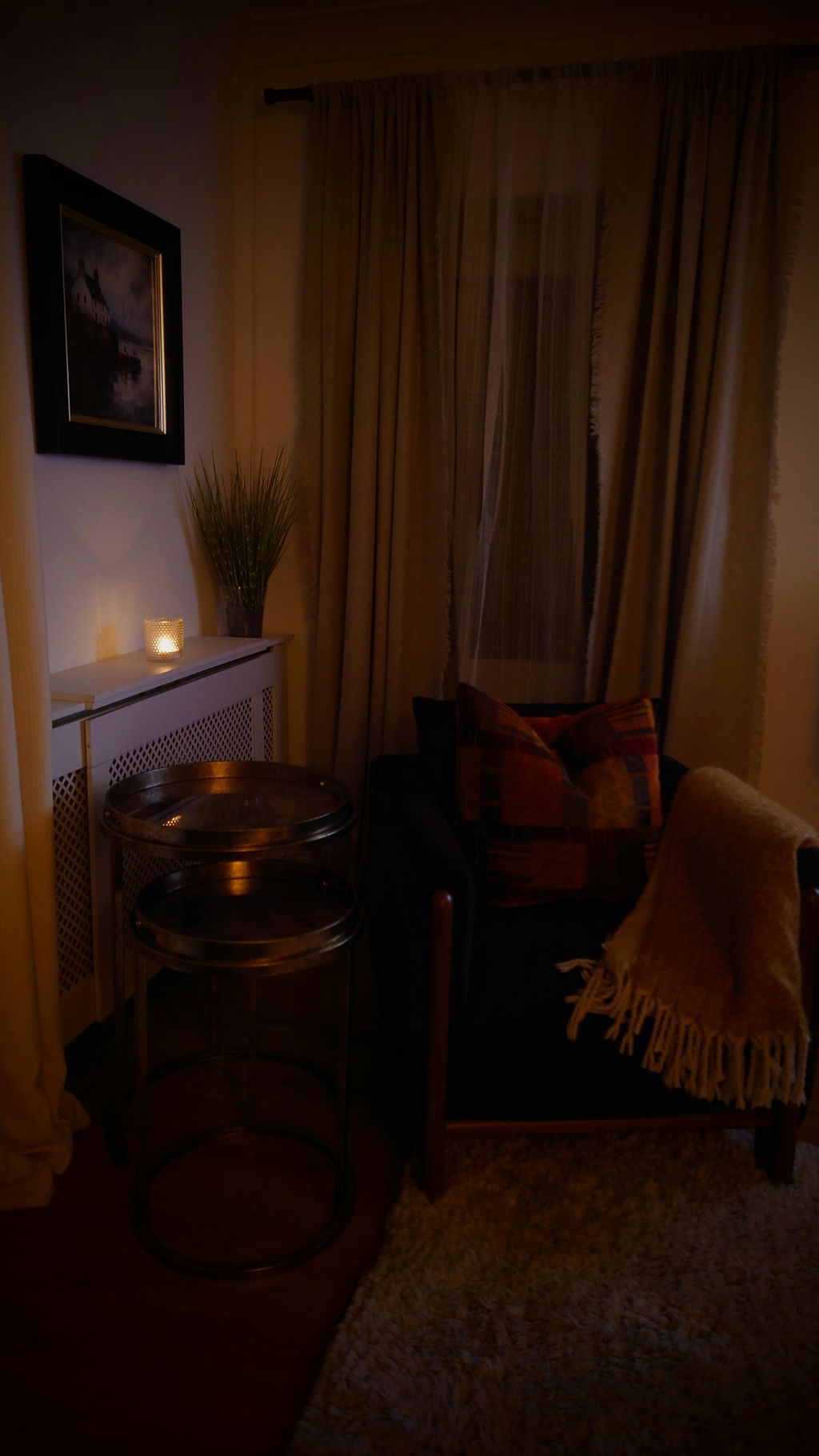
Particularly relevant for homes in Scotland, where the landscape is genuinely dramatic, coastal and landscape art brings a sense of place into a room. A stormy sea piece above a bedroom fireplace. A Highland landscape in a sitting room. These aren't nostalgic or kitschy — chosen well, landscape art has a grandeur that elevates a room in a way few other categories can. Our coastal art selection reflects a contemporary approach: loose, gestural, painterly rather than photographically literal.
Typography & Collage Art
Typography and collage art tends to suit spaces with a more contemporary or eclectic aesthetic. A well-designed typographic print can be as visually impactful as an abstract painting, and it carries additional communicative value - a message, a word, a phrase that means something to the person who hung it. Collage art, with its layered textures and mixed references, rewards a longer look and suits sitting rooms where conversation and contemplation happen naturally.
Browse our typography & collage art.
How to Hang Art Correctly
The single most useful rule for hanging wall art: the centre of the piece should sit at eye level - approximately 145-150cm from the floor. This is the standard used by professional galleries and almost always produces a result that feels right in a domestic setting.
When hanging art above furniture (a sofa, a sideboard, a bed), leave 15-20cm of gap between the top of the furniture and the bottom of the frame. This keeps the art connected to the furniture below it without feeling cramped.
For gallery walls, lay your arrangement on the floor first to test composition before committing anything to the wall. Photograph it, then use that image as your guide when transferring to the wall.
Framing and Finishing
A good frame can elevate a print significantly; a wrong frame can undermine a genuinely good piece. As a general principle:
Thin black or dark metal frames suit contemporary and graphic works.
Natural wood frames work well with botanical, landscape and coastal art.
Antique gold or warm brass frames add formality - best with more classical or figurative subjects.
White or off-white frames are the most neutral option and tend to work across most styles.
Creating a Gallery Wall
A gallery wall is one of the most impactful things you can do to a large or awkward wall space - a staircase wall, a long dining room wall, an oversized chimney breast. The key is to commit to a cohesive palette (the same frame tone throughout, or a consistent colour story across the prints) while varying the formats. Mix landscape and portrait orientations. Include different sizes. Leave breathing space between frames - 5-8cm between pieces tends to look more considered than packing them tightly.
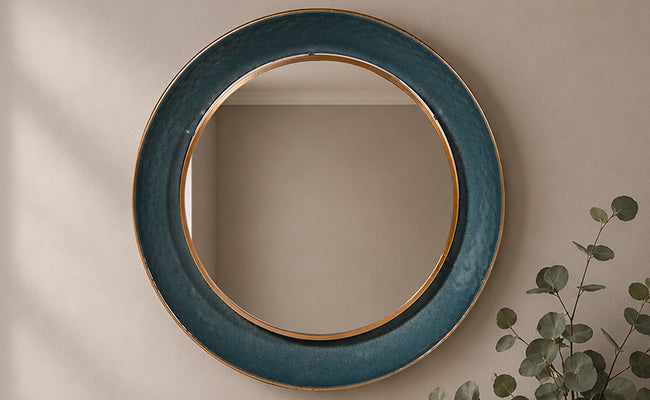
A gallery wall pairs particularly well with a statement mirror - mixing art with a reflective surface adds depth and light to the arrangement.
Pairing Wall Art with Your Furniture
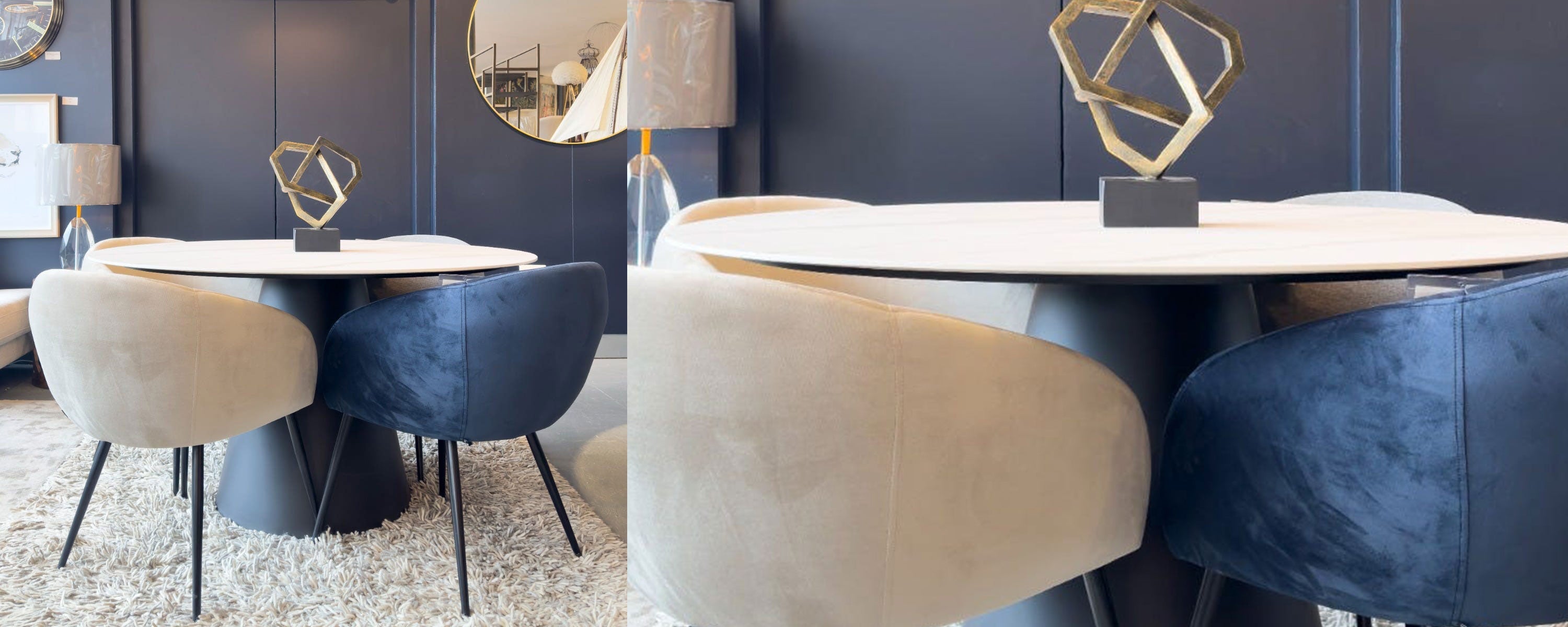
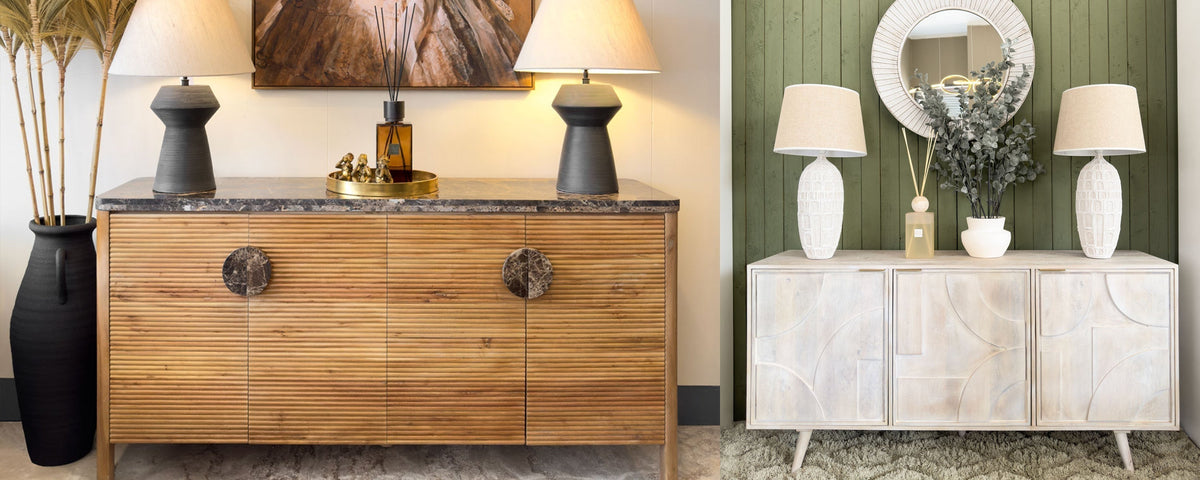
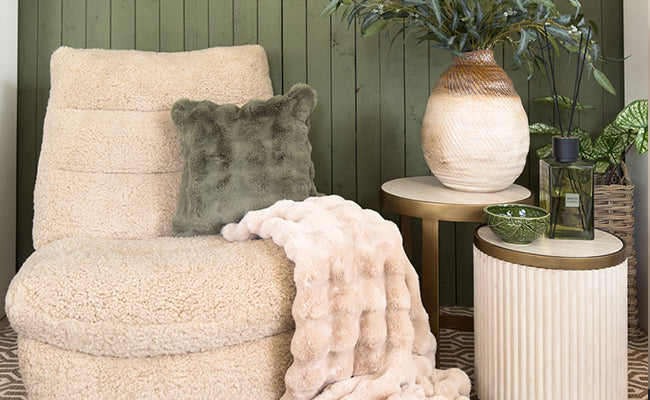
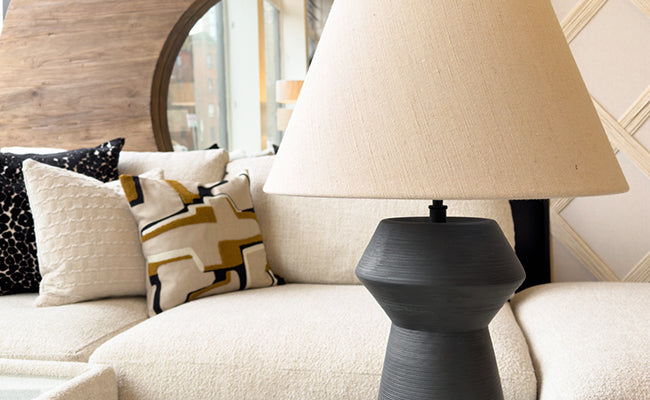
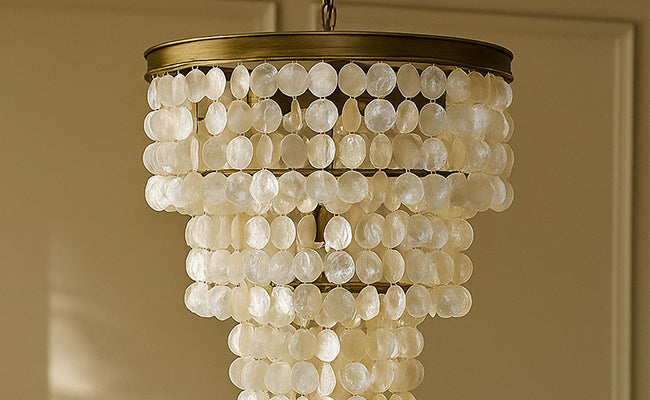
The most successful interiors treat wall art as part of a considered whole rather than an afterthought. A warm-toned abstract above a mango wood sideboard. A bold coastal print above a linen sofa with colourful cushions. A typographic piece above a dining table anchored by a chandelier above. These pairings work because the art is in conversation with the furniture around it, not competing with it.
Browse our full furniture range for inspiration.
Statement Wall Art at Time & Tide
Our wall art collection includes pieces in abstract, coastal, landscape, and typography and collage styles, available in a range of sizes and formats. Each work is chosen for its quality, its colour vibrancy, and its ability to hold its own in a real home.
Browse online or visit us in our Edinburgh and North Berwick stores, where many pieces are displayed in room settings - seeing them at scale, in context, makes the decision significantly easier.